


Brazil Sports Dashboard · 2026 Season
mmabet: Sports betting in Brazil in 2026, with schedules, scores, and analysis
Sports take on a new dimension when schedules, context, and performance come together. On this page, mmabet brings together editorial coverage of football, basketball, and major international competitions, focusing on kickoff times, confirmed results, recent form, and useful information for following each round. The aim is to help new and experienced fans organize their sports week without turning statistics into promises: scores and standings depend on updates and should be checked against the competition and date.
Use the dashboard to find today's games, upcoming matchups, and trends worth watching. The mmabet app can be considered an option for browsing on mobile devices, while this page explains how to interpret the data with caution. Lineups, suspensions, and fitness conditions can change before kickoff; therefore, a responsible preview separates confirmed facts from possibilities and avoids treating a short run of results as a sure prediction.
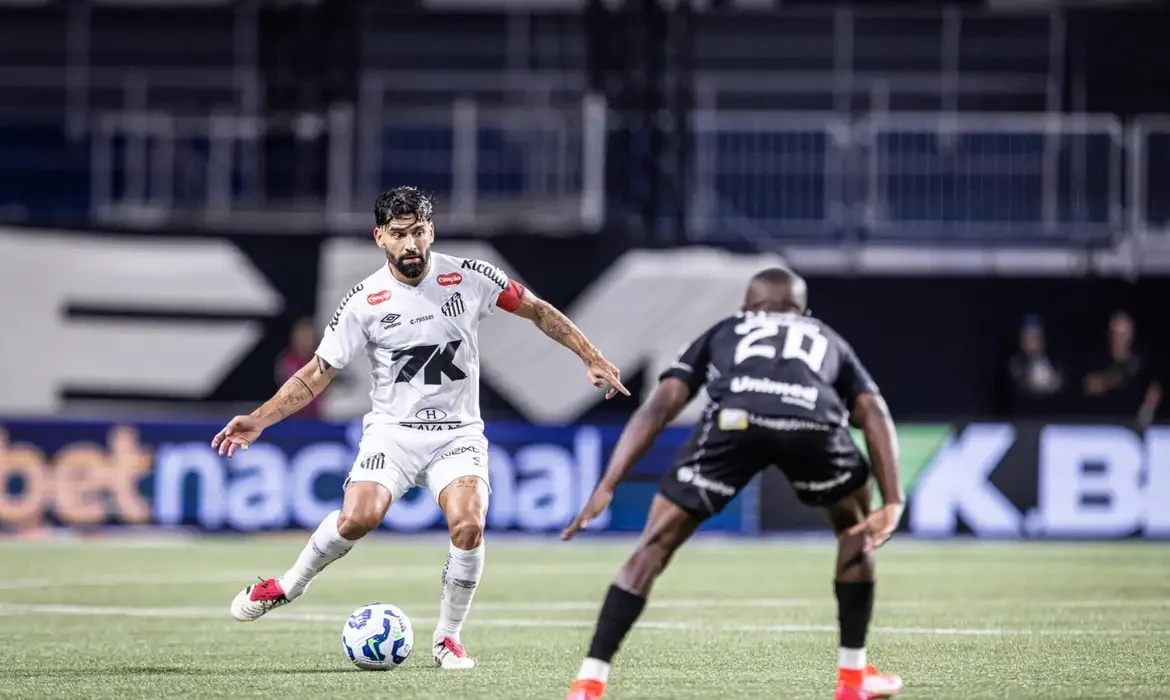
This Week's Fixtures
Upcoming ties. Check the date and start time before you follow live.
Practical guide
How to check the round schedule without losing context
A useful sports schedule starts with the competition and date, not just the names of the clubs. During busy weeks, matches from different leagues may take place at the same time, and some broadcasts use different time zone references. Check whether the displayed time is Brasília time, see whether the event is scheduled, in progress, or finished, and open the competition page to understand the stage. This helps avoid confusion between first and second legs, postponed rounds, and cup matches.
When following tomorrow's games or weekend matchups, compare each team's run of fixtures. A club that played midweek may manage its players' minutes; another may have had more rest but face a long trip. These factors help describe the situation without claiming that they determine the result. On the mmabet dashboard, the schedule should be read as a map of events: competition, time, participants, and status are the essential details before any more in-depth analysis.
If you're just starting out, it's worth making a short list of priority matches and checking for changes close to kickoff. Those who have followed football for longer can consider a congested schedule, home advantage, a run of away games, and the importance of the stage. In either case, final confirmation depends on official announcements from the league and clubs. A match may be rescheduled for organizational, weather, or logistical reasons, so avoid sharing old screenshots as if they were current information.
A quick routine before kickoff
- Confirm the date, competition, and indicated time zone.
- Check whether the match is scheduled, live, or finished.
- Read lineup and absence news, noting when it was published.
- Compare recent form without overlooking opponents and home advantage.
What a responsible preview clarifies
A good preview presents what is known and what may still change. It provides context for the round, summarizes the teams' current form, and highlights tactical or individual matchups that could influence the pace. If the lineup has not been announced, the information should remain a possibility, not a confirmation. This distinction is especially important in competitions with a tight schedule.
Follow the match for the enjoyment of the sport, and take breaks if real-time coverage stops being enjoyable.
Numbers in context
How to interpret scores, runs of results, and league tables
The score reports the recorded outcome, but statistical analysis begins after that. Check whether the figures refer to regulation time, extra time, or a penalty shootout, especially in cup competitions. For interrupted or suspended matches, the event status may matter more than any partial result. The page for each matchup should also distinguish live data from finalized information, since an update may arrive moments after a play or the final whistle.
In the league table, points, matches played, and goal difference should be considered together. One team may appear above another because it has played one more match; in some competitions, tiebreakers include wins, goal difference, and head-to-head results. Check the league's official rules before concluding that a position is settled. The phrase “updated table” is only useful when accompanied by a timestamp, competition, and corresponding round.
Team form usually summarizes recent fixtures, but a five-match run is a small sample. Analyze who the opponents were, where the games took place, and whether there were changes in the coaching staff or squad. A positive run at home does not necessarily describe performance away. Likewise, goal numbers can reflect different styles: patient possession, quick transitions, or greater defensive exposure. At mmabet, the editorial goal is to present indicators that put the game in context, not promise an outcome.
1. Identify the sample
Check how many matches were included and the date range. Five recent games do not represent an entire season or guarantee that a trend will continue.
2. Separate home and away
Compare performance in the corresponding home or away setting. Travel, the pitch, and local support can provide context, but they do not explain the result on their own.
3. Read the competition rules
Tiebreaking criteria and stages vary. Check with the organizer before interpreting tied positions or knockout matchups.
In basketball, in addition to the final score, pace of play, shooting efficiency, and rebounds help explain the game. In soccer, shots, possession, and set pieces offer different clues, but no single statistic tells the whole story. Coverage should indicate when a figure is partial, cumulative, or applies only to the league. To follow the live score, keep the page updated and confirm the event's official status before citing a number on social media or in conversations.
Viewing guide
How to watch major events with a more complete perspective
Choosing a game to follow may depend on the rivalry, the stage of the championship, or the battle for positions. Before the broadcast, read a short preview and look for verifiable information: probable lineups, absent players, the run of fixtures, and each side's sporting objective. Medical news should be treated respectfully and without speculation; consider something confirmed only if it has been announced by the club or league, or reported by an identified news source.
During the game, observe how the teams occupy the field and respond to changes. In soccer, pressing after losing the ball, the width provided by the fullbacks, and protection of the penalty area help explain the game plan. In basketball, ball movement, perimeter defense, and squad rotation can change the pace. Simple notes—when a substitution happened, a change in formation, or a sequence of attacks—make the recap more informative than a list of isolated plays.
After the final whistle, check the final score and compare the match narrative with the data. A team can win with less possession, and a dominant performance may not translate into many goals. The recap should distinguish performance from outcome and mention decisive events without overstating their importance. In 2026, coverage of domestic and international competitions remains intense, so it's worth organizing alerts by sport and checking the times when there are trips, schedule changes, or knockout stages.
Observation guide for beginners and experienced fans
Start with the context of the matchday, follow the starting lineup when it is announced, and observe how each team tries to gain an advantage. Then compare the expected plan with what actually happens: high pressing or a deep block, attacks down the wings or through the middle, quick transitions or prolonged possession. You don't need to master every indicator to enjoy the game; a well-chosen question, such as “who controls the midfield?”, is enough to focus your attention.
For a more advanced perspective, note changes in pace and substitutions, but avoid concluding that a single play represents the entire game. Post-match analysis should consider the opponent, the squad's physical condition, and the state of the championship. If the broadcast or minute-by-minute updates make you anxious, stop checking. Sport should remain an activity for entertainment, socializing, and cultural interest.
Competitions in focus
What to watch in the most-followed leagues and events
The suggestions below highlight real competitions and points to watch, without presenting invented scores. Each tournament's schedule and status vary according to the official calendar; check for updates before planning to watch.

Premier League
Observe how intensity and squad rotation influence the matchdays. The race for European places and the fight to stay up can change the significance of each matchup, while home performance does not always carry over to away games.
View sports coverage
La Liga
Follow the build-up from the back, the battle for control of midfield, and the spaces between the lines. Compare each club's recent run with the opponents it has faced, without reducing the analysis to a single statistic.
View sports coverage
Serie A
Changes in formation and tactical duels are often central to understanding the matchday. Check confirmed lineups and the run of fixtures, especially when clubs are balancing league play with continental tournaments.
View sports coverage
Bundesliga
The pace of transitions and use of the channels offer good topics to follow. The table should be read alongside the number of matches played and the stage of the calendar, especially during weeks with European fixtures.
View sports coverage
Champions League
In knockout stages, the aggregate score, the first leg, and the rules in effect are essential to understanding the matchup. Check the official schedule confirmation and treat any projected lineup as provisional.
View sports coverage
NBA
Rotations, rest, and player availability help put games in a busy schedule into context. Follow pace, rebounds, and offensive efficiency as complementary indicators, always separated by game and period.
View sports coverage
EuroLeague
The international schedule brings together styles and rosters from different countries. It is worth watching perimeter defense, ball movement, and performance in decisive moments, without comparing team statistics without accounting for pace.
View sports coverage
Wimbledon
The grass-court tournament calls for attention to serving, returning, and court conditions. Follow the draw, round, and official start time, bearing in mind that matches may be adjusted due to weather or the length of previous matches.
View sports coverage
UFC
On fight nights, check the official card order and confirmed information about each athlete. Styles, reach, and strategy are topics for analysis; last-minute changes may alter the announced schedule.
View sports coverage
Editorial transparency
How to consult data and identify updates
Results, times, and standings should be associated with the competition, round, and time of consultation. When data is subject to revision, the page should indicate this; when it is illustrative only, it should be marked as an example. This content does not invent scores or present a complete table: match modules may be updated separately by the system, with their own title and time reference.
- Check the league's official source for schedule changes.
- Distinguish live statistics from confirmed final results.
- Read the standings alongside the tiebreaking criteria.
- Use roster news with clear dates and attribution.
To learn about the portal, visit mmabet.mobi and check the coverage available for each sport.
Frequently asked questions
Questions about schedules, scores, and following games
How can I tell whether a match time is in Brasília time?
Check the time zone shown with the schedule and compare it with the time provided by the competition organizer. If there is a difference, prioritize the official announcement and note the event's local date, as international matches may take place on a different day in Brazil. If there is a change, update the page before sharing the time.
What should I check before interpreting a live score?
Check whether the game is in progress, suspended, or finished, and identify the period shown. In cup competitions, confirm whether the information refers to regulation time, extra time, or a penalty shootout. Since updates may be slightly delayed, verify the final result with the organizer before treating it as definitive.
Why might the standings show teams with games in hand?
Postponements, cup schedules, and international commitments can leave clubs with different numbers of games played. Therefore, points and position should be read alongside the number of games and the official tiebreaking criteria. A visual difference in the table does not necessarily mean all teams are at the same stage of the round.
How does recent form help explain a matchup?
Recent form summarizes results over a short period and provides context, but it does not guarantee what will happen in the next match. Consider the strength of the opponents, home advantage, confirmed absences, and schedule changes. A streak should be presented as an observed trend, not as a definitive conclusion about future performance.
What should I do when a lineup has not yet been confirmed?
Treat names and formations announced before the official announcement as possibilities. Follow the club's, league's, or broadcaster's channels and check the publication time. Injuries and coaching decisions can change close to kickoff; careful coverage distinguishes confirmed, probable, and still unknown information.
How can I follow matches without treating statistics as certainty?
Use numbers to describe the context and keep in mind the sample size, opponent, and game conditions. No single indicator determines the result. Follow for sporting interest, take breaks when needed, and avoid treating predictions or past streaks as guarantees. Well-being should come before constant updates.
Follow with context
Plan your next sports round
Check the schedule, compare data carefully, and follow confirmed news about the competitions that are part of your routine. Watching is clearer when the schedule and context are in one place; maintain a balanced relationship with coverage and respect your need for rest.